
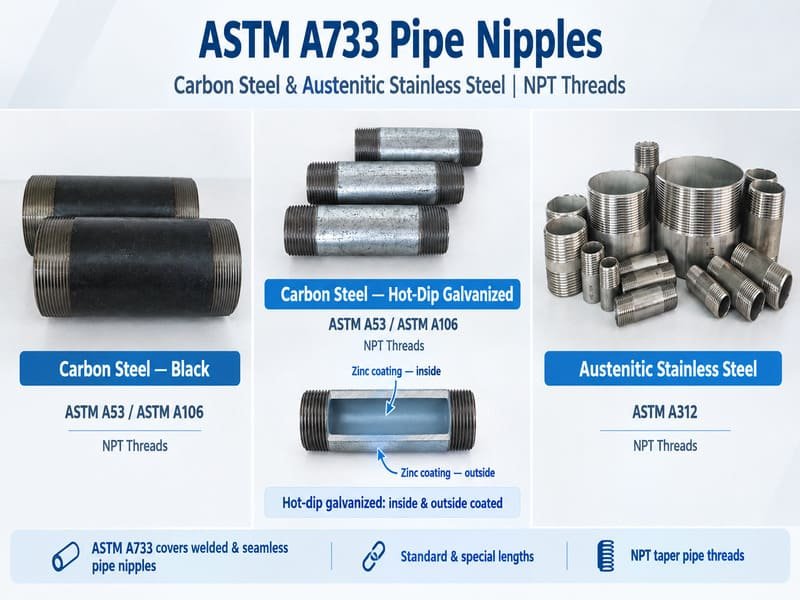
When purchasing pipe nipples, many engineers and buyers require products that comply with recognized manufacturing standards.
ASTM A733 is one of the commonly referenced specifications for carbon steel pipe nipples.
This guide explains what it is and how it applies.
What Is ASTM A733?
It is a specification covering carbon steel welded and seamless pipe nipples.
It defines requirements related to:
Material types
Manufacturing methods
Dimensions
Thread requirements
Quality control
They are commonly used for pipe nipples.
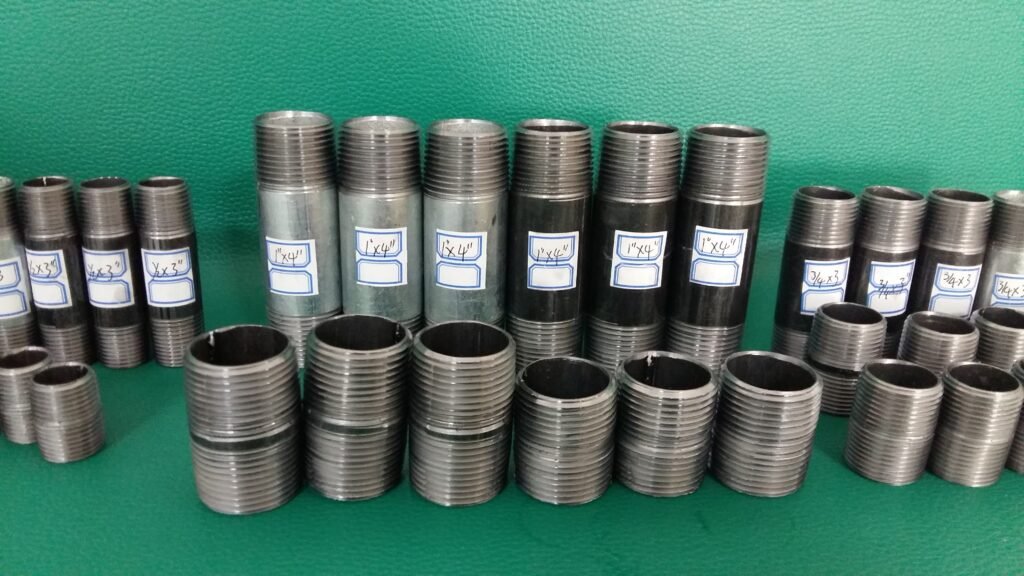
Why ASTM Standards Matter?
Industrial piping systems require consistent product quality.
Using ASTM-compliant pipe nipples provides advantages including:
Reliable dimensions
Consistent material performance
Better interchangeability
Easier project approval
For engineering projects, standards help ensure that components from different suppliers can work together correctly.
Material Requirements
Common materials include:
Carbon Steel Pipe Nipple
Carbon steel pipe nipples are among the most commonly used materials.
Advantages:
High strength
Good durability
Cost-effective
Common applications:
Industrial piping
Construction systems
Mechanical equipment
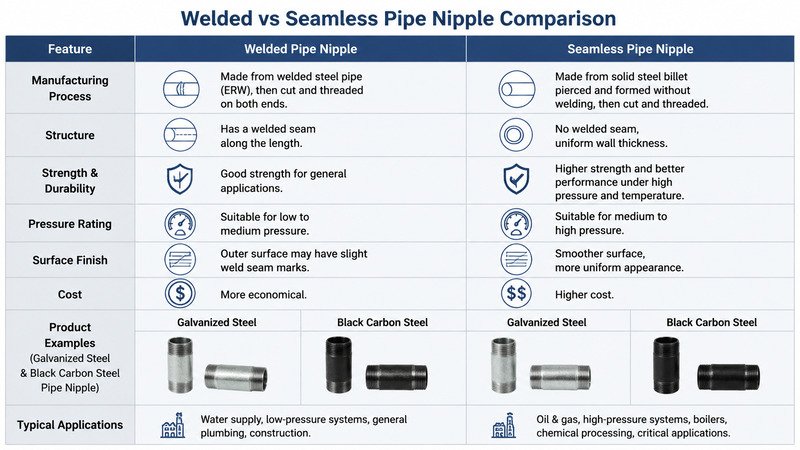
Manufacturing Types
It includes requirements for different manufacturing methods.
Seamless Pipe Nipples
Seamless pipe nipples are manufactured from seamless steel pipe without a welded seam.
Advantages:
Uniform structure
Good pressure performance
Suitable for demanding applications
Common uses:
Oil and gas systems
Industrial equipment
High-pressure applications
Welded Pipe Nipples
Welded pipe nipples are manufactured using welded steel pipe.
Advantages:
Cost efficiency
Wide availability
Suitable for general applications
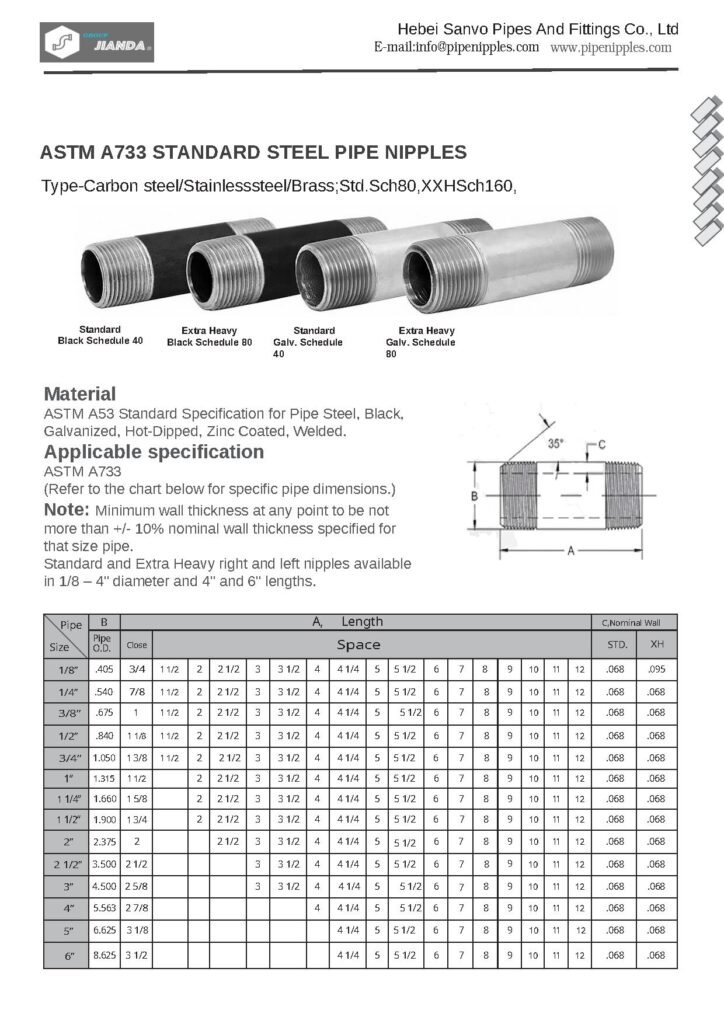
Pipe Nipple Dimensions
Pipe nipple dimensions include several important specifications.
Nominal Pipe Size
Pipe size refers to the nominal diameter of the pipe nipple.
Common sizes include:
1/8 inch
1/4 inch
1/2 inch
3/4 inch
1 inch
2 inch and larger
Overall Length
Overall length refers to the total measurement from one end of the nipple to the other.
It includes:
Threaded sections
Center section
Thread Length
Thread length refers to the length of the external threaded area.
Correct thread length ensures:
Proper engagement
Reliable sealing
Secure connection
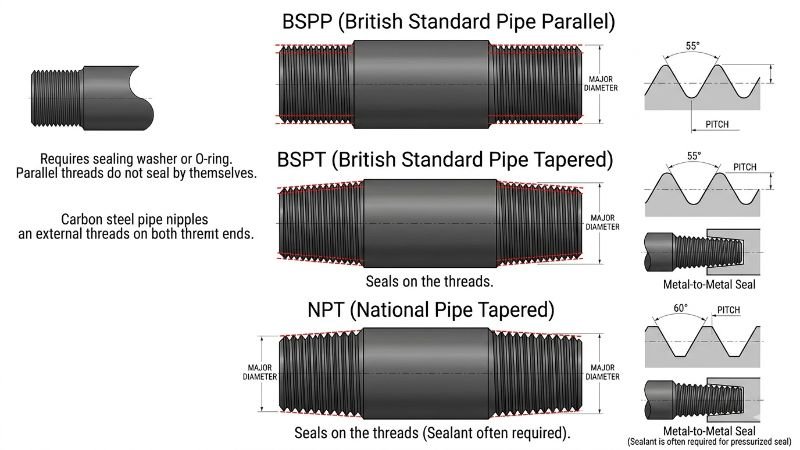
Thread Requirements
Thread accuracy is critical for pipe nipple performance.
Common thread standards include:
NPT Thread
NPT is widely used in North America.
Features:
Tapered thread design
Good sealing performance
Common industrial standard
BSP Thread
BSP threads are commonly used internationally.
Types include:
BSPP
BSPT
Common Pipe Nipple Types
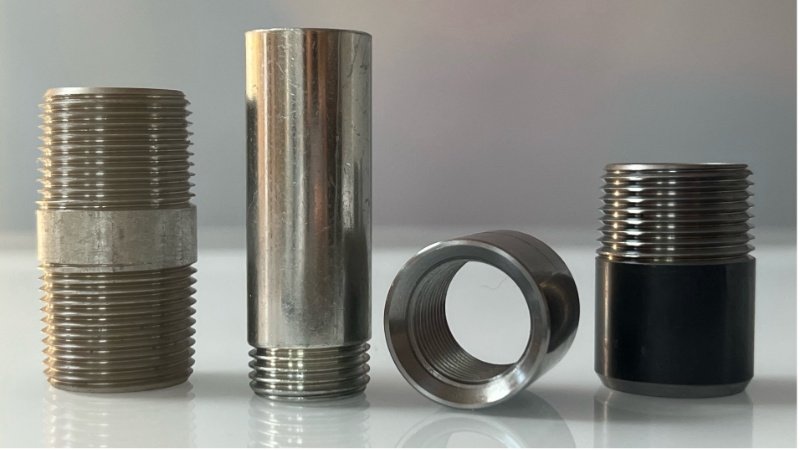
Close Nipple
A close nipple has threads extending almost the entire length.
Features:
Short overall length
Full thread coverage
Compact installation
Typical applications:
Valve connections
Small piping systems
Barrel Nipple
A barrel nipple includes:
Threaded ends
Unthreaded center section
Advantages:
Multiple length options
Flexible installation
Toe Nipple
A toe nipple includes:
One threaded end
One plain end
Applications:
Welding connections
Fabricated piping systems
ASTM A733 vs Other Pipe Nipple Standards
Different projects may reference different standards.
Pipe Nipple Standard | Application |
|---|---|
ASTM A733 | Carbon steel pipe nipple |
ASME B1.20.1 | NPT thread requirements |
Customer Specifications | Special project requirements |
The correct standard depends on project requirements and industry application.
How to Verify?
Before purchasing, buyers should confirm:
Material Certificate
Request material documentation such as:
Chemical composition
Mechanical properties
Heat number information
Dimension Inspection
Verify:
Pipe size
Length
Thread dimensions
Thread Inspection
Check:
Thread type
Thread accuracy
Thread gauge requirements
Surface Quality
Inspect:
Surface condition
Defects
Manufacturing quality
Applications
Industrial Piping Systems
Used for:
Equipment connections
Fluid transfer systems
Mechanical piping
Oil and Gas Industry
Applications include:
Pipeline systems
Process equipment
Industrial facilities
Water and HVAC Systems
Common uses:
Building services
Heating systems
Water connections
Manufacturing Equipment
Used in:
Machinery
Pumps
Valves
How to Choose a Pipe Nipple Supplier?
A reliable manufacturer should provide:
Manufacturing Capability
Confirm:
Production capacity
Material availability
Custom machining ability
Quality Control
Important inspection processes include:
Dimensional inspection
Thread inspection
Material verification
Customization Options
A professional supplier should support:
Custom lengths
Different thread standards
Various materials
Frequently Asked Questions
What does ASTM A733 cover?
It covers welded and seamless pipe nipples.
Are ASTM A733 nipples seamless?
It includes both seamless and welded pipe nipples depending on product requirements.
What thread standard is commonly used with ASTM A733 nipple?
NPT threads according to ASME B1.20.1 are commonly used, but other thread options may also be available.
Why should I choose an ASTM A733 nipple?
It helps ensure consistent material quality, dimensions, and manufacturing requirements for industrial applications.
Conclusion
ASTM A733 is an important specification for carbon steel industrial pipe nipples.
Understanding this standard helps buyers select products with reliable:
Material quality
Dimensional accuracy
Thread performance
Application compatibility
For industrial piping projects, choosing the right standard provides better reliability and confidence during installation.