304 vs 316 Stainless Steel Pipe Nipple: Which One Should You Choose?
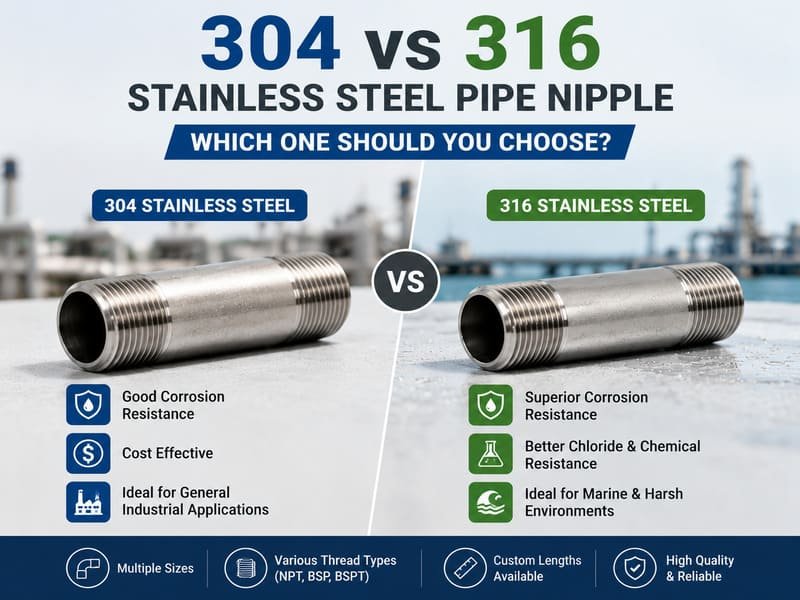
Introduction When selecting stainless steel pipe nipples, choosing the correct material grade is one of the most important decisions. The two most commonly used stainless

Introduction When selecting stainless steel pipe nipples, choosing the correct material grade is one of the most important decisions. The two most commonly used stainless

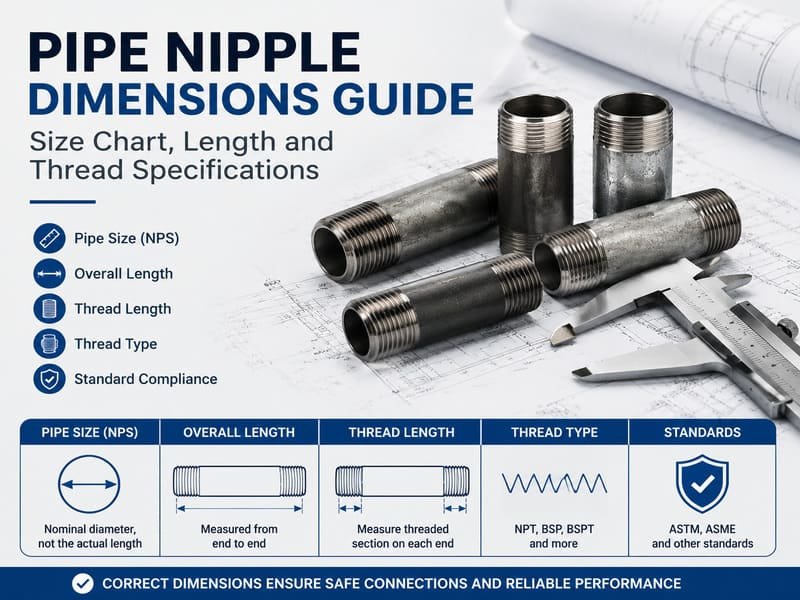
Introduction Selecting the correct pipe nipple dimensions is essential for ensuring proper connection, sealing performance, and reliable operation of a piping system. Many buyers and

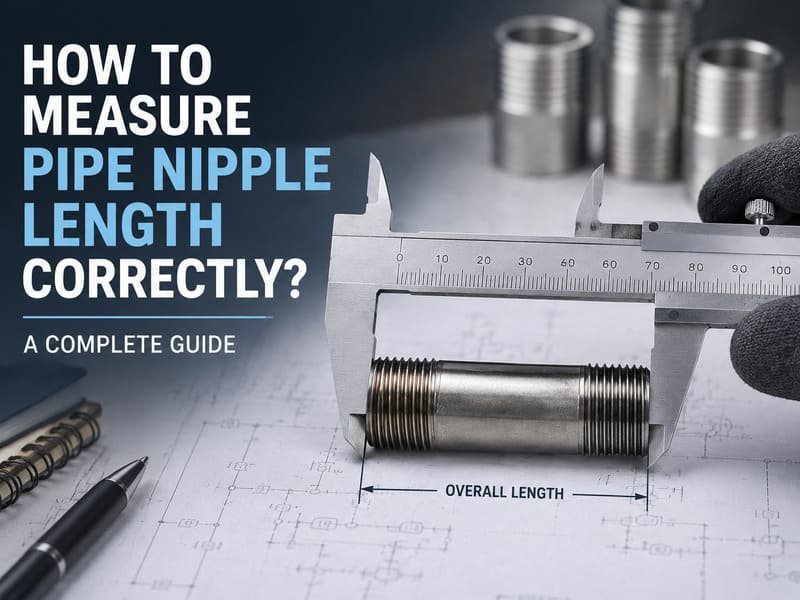
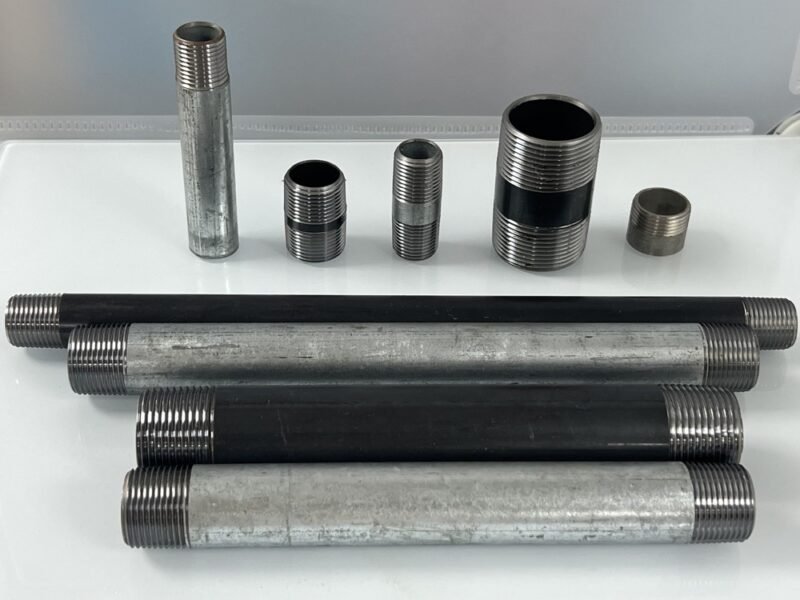
Introduction Pipe nipple length is one of the most important specifications when selecting a pipe nipple for a piping system. Although pipe nipples may look

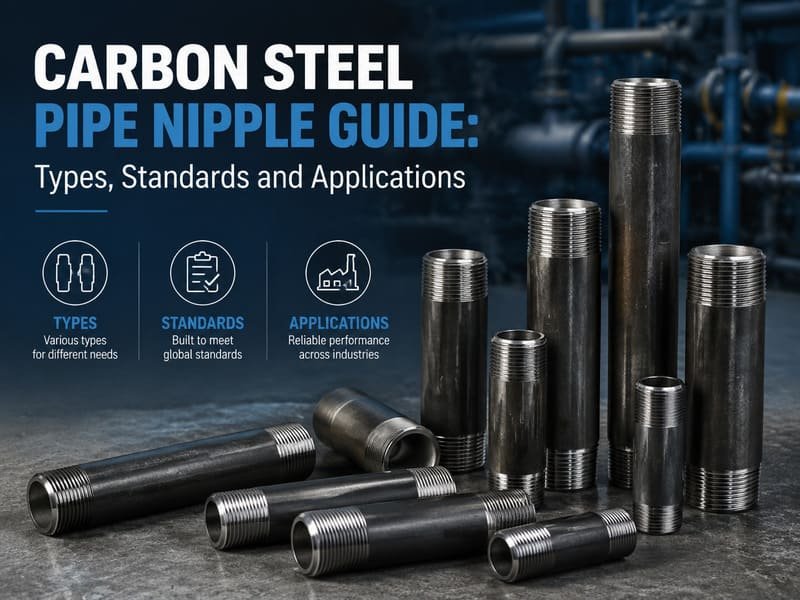
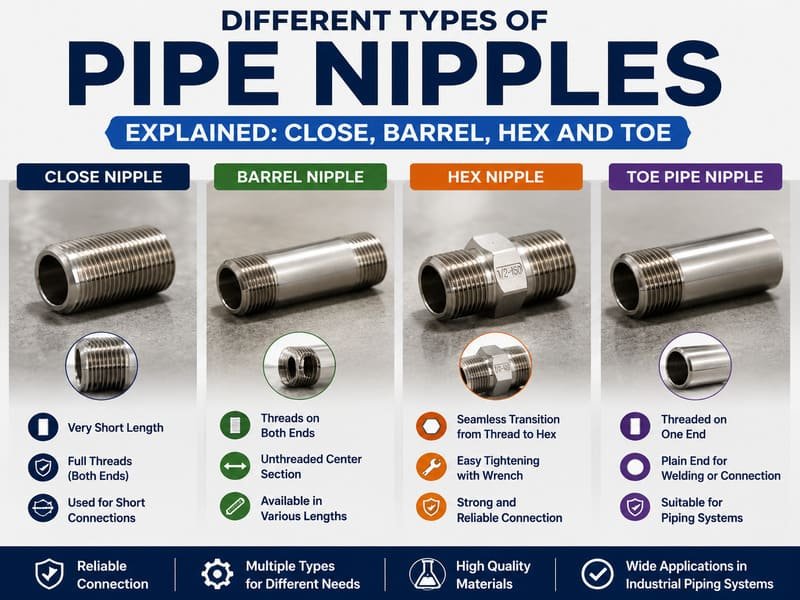
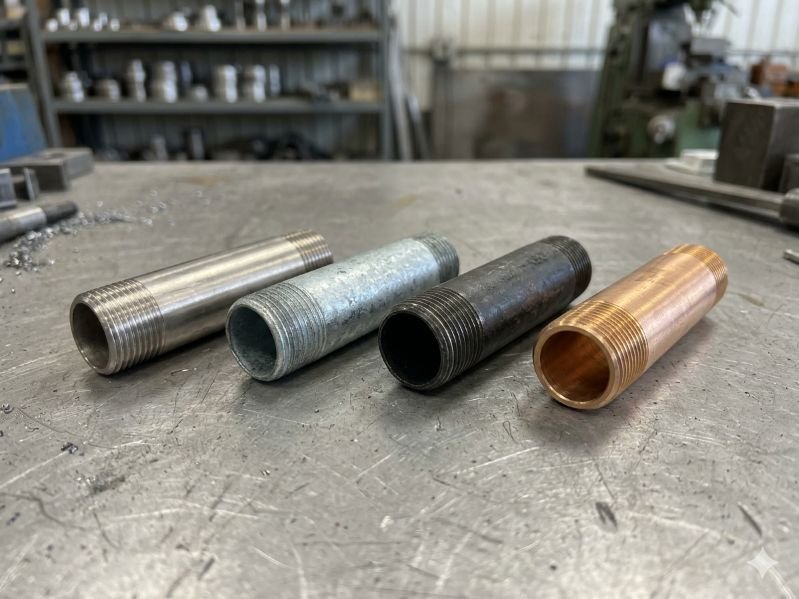
Different Types of Pipe Nipples Explained Pipe nipples are essential components used in many piping systems to connect pipes, fittings, valves, and equipment. Although pipe

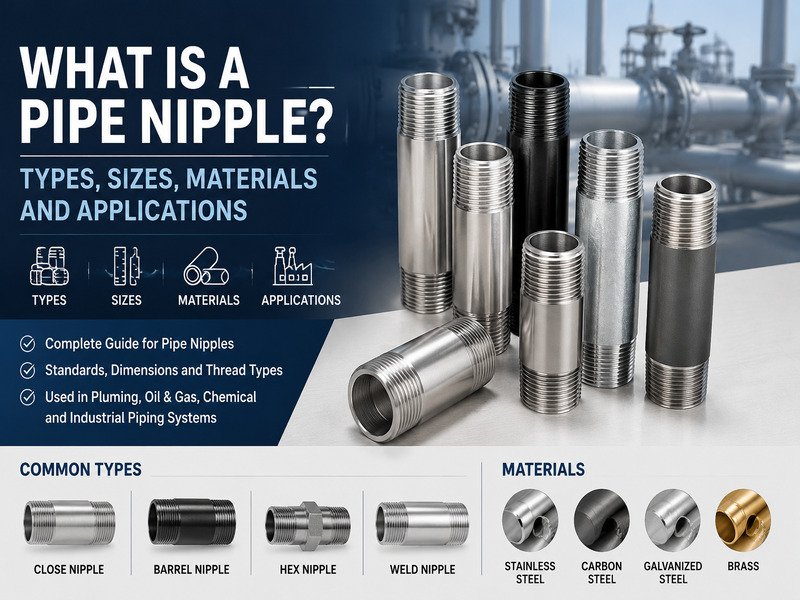
What Is a Pipe Nipple? A pipe nipple is a short length of pipe with external threads on one or both ends. It is commonly

The right length and thread specification ensure leak-free, stability, and long-term performance. Incorrect selection can lead to sealing failures, assembly issues, or even system downtime.

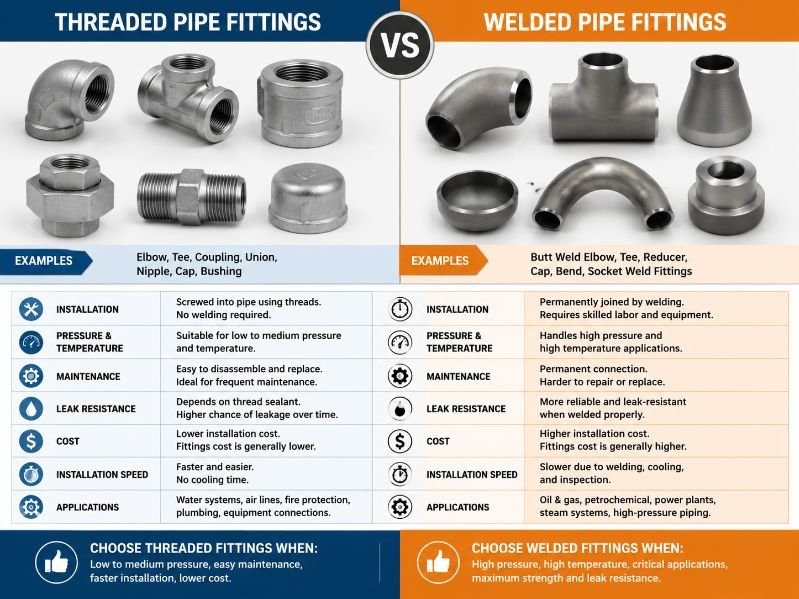
As a manufacturer of threaded pipe fittings, I am often asked the same question: Should I choose threaded pipe fittings or welded fittings? The answer

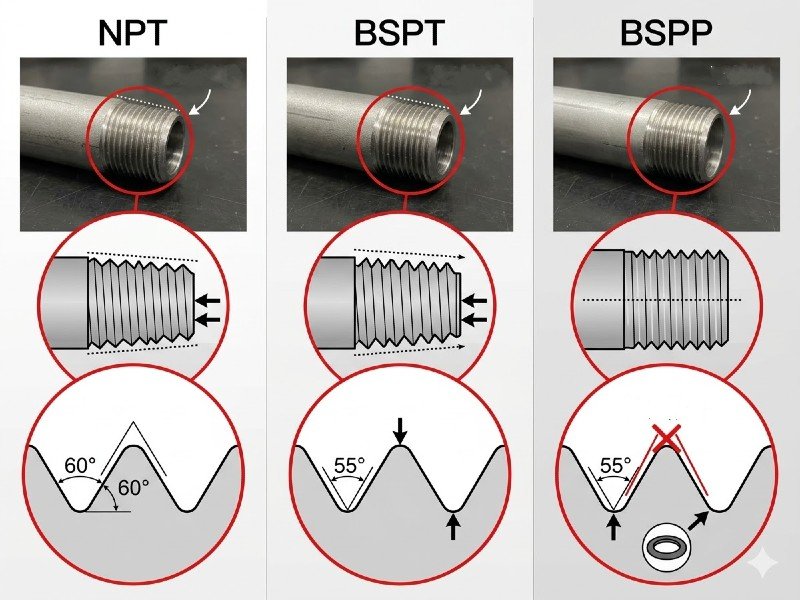
Thread standards are one of the most critical factors when selecting pipe nipples. The wrong thread type can lead to leakage, incompatibility, or even system

Why Choosing the Right Pipe Nipple Matters A pipe nipple may seem like a small component, but selecting the correct type, material, and size is

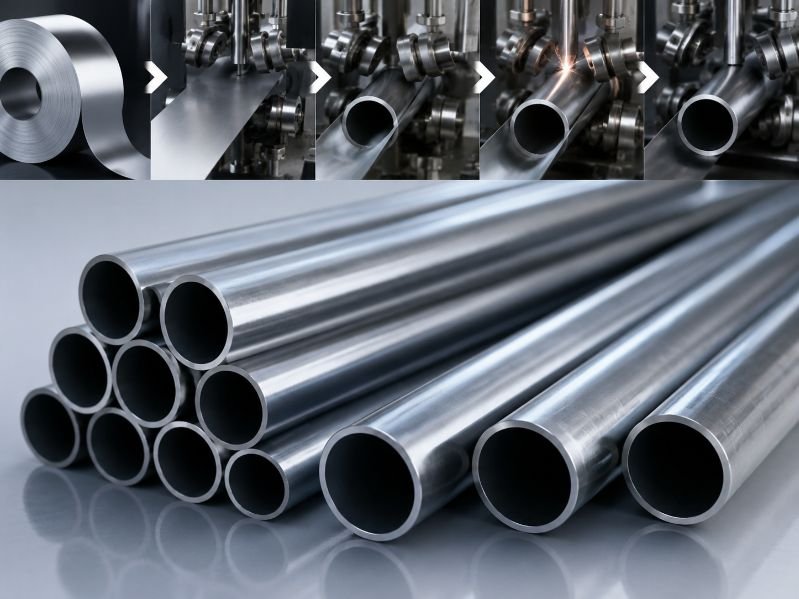
Strip steel determines pipe quality. The consistency affects welding stability and final performance. So, choosing the right coil steel is essential for production efficiency. Today,

What Is Pipe Schedule? Pipe schedule refers to the wall thickness of a pipe. A higher schedule number means a thicker wall. Thicker walls allow

A single wrong specification can bring a production line to a halt — or worse, create a safety hazard that costs far more than the